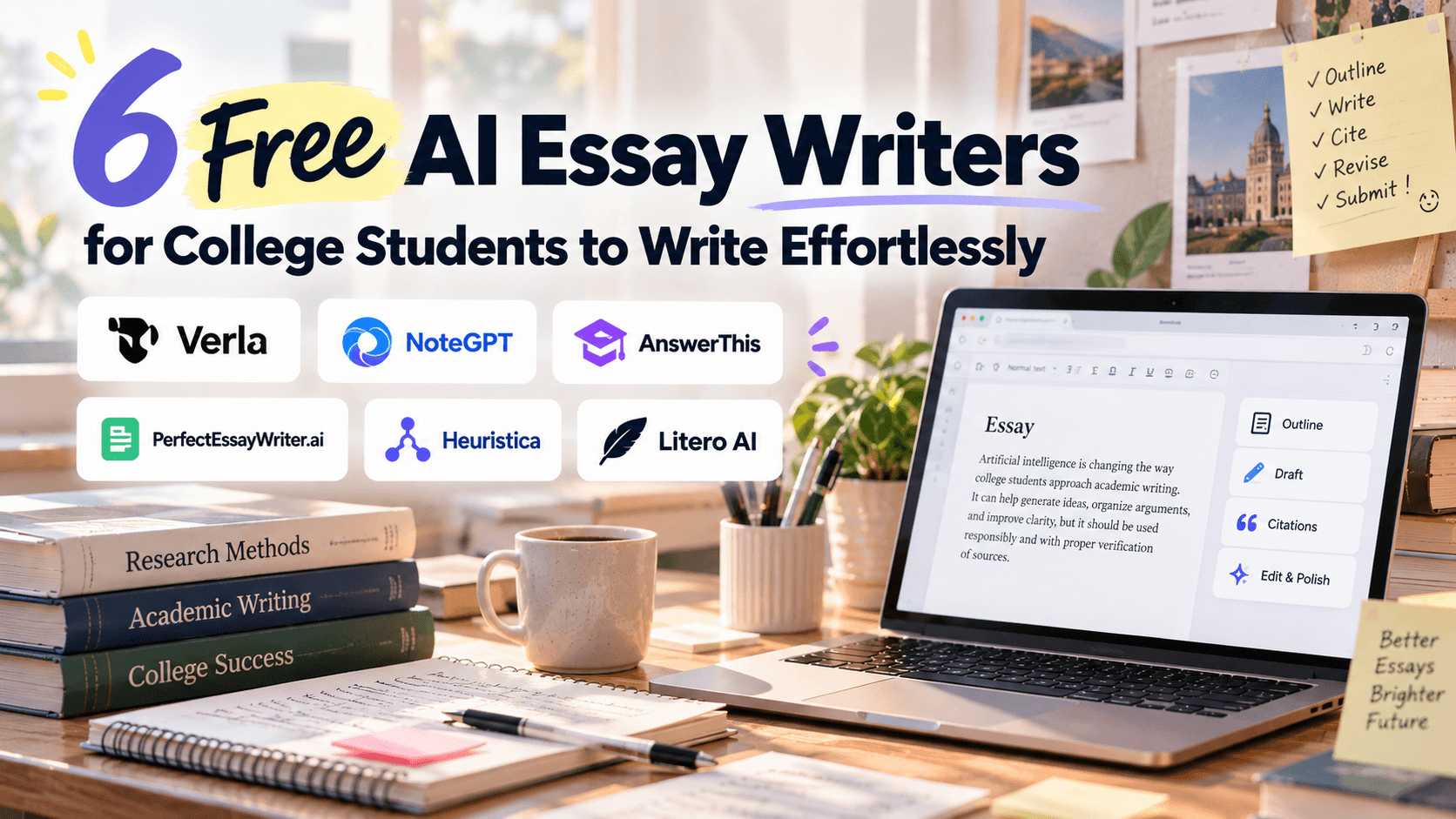
A free AI essay writer can help when a blank page, a tight deadline, or scattered class notes make it hard to start. But "free" may mean a few daily attempts, a word allowance, or a basic draft without citations. Those details matter when your assignment depends on readings or a rubric.
This comparison covers five tools with a free entry point and Verla, whose trial is paid. It compares inputs, outputs, and limits so you can choose a fit for the assignment. Treat generated text as a draft: verify sources, revise the reasoning, and follow your course rules.
How to Choose a Free AI Essay Writer for Your Assignment
Not every free AI essay writer works the same way. Some generate a quick draft from a topic, while others let you upload notes, readings, or assignment instructions. When comparing AI tools for writing essays, focus on what your assignment actually requires rather than how quickly a tool produces text.
Here are a few things worth checking before choosing:
Assignment requirements: Can the tool handle argumentative, informative, or research essays? Does it accept rubrics and specific instructions?
Input options: Can you upload readings, notes, or PDFs, or does the tool only accept a topic?
Citations and references: Does it provide verifiable academic sources, format existing references, or leave citations for you to add?
Free usage limits: Check word or token caps, daily attempts, monthly allowances, and reset periods.
Editing and exports: See whether you can revise the draft, adjust its structure, and export the finished document without paying.
A basic topic-to-draft generator may be enough for a short essay, but research-heavy assignments often need more support. If you're balancing essays with homework, research, and other coursework, the best AI for school work may offer a broader workflow than a standalone essay writer.
Quick Comparison of Free AI Essay Writer Tools
Product | Starting point | Free access and known boundary | Citation workflow |
Verla | Prompt, rubric, course files, and readings | $2.99 paid 7-day trial; plan quotas apply | Academic sources and citation styles in its assignment workflow |
NoteGPT | Topic, notes, or uploaded file | Free, no sign-up; 0/12,000 counter with reset period unclear | APA and reference controls appear in the form |
AnswerThis | Essay topic or question | Free; three daily attempts and 1,000-token cap | Free writer has no citations |
PerfectEssayWriter.ai | Topic, rubric, or instructions | Free account: 5,000 generated words/month | Separate citation tools in its broader suite |
Heuristica | Text, webpage, or YouTube URL | Free generator; quota not stated | Source material can inform a draft; verify references yourself |
Litero AI | Topic and research workflow | Free start; public quota and price are unclear | Research, outline, and citation workflow is described |
For other assignment formats, Verla's assignment-type study tools cover additional coursework.
Best 6 Free AI Essay Writers and How Each One Works
Verla: Best for a Course-Specific Academic Workflow
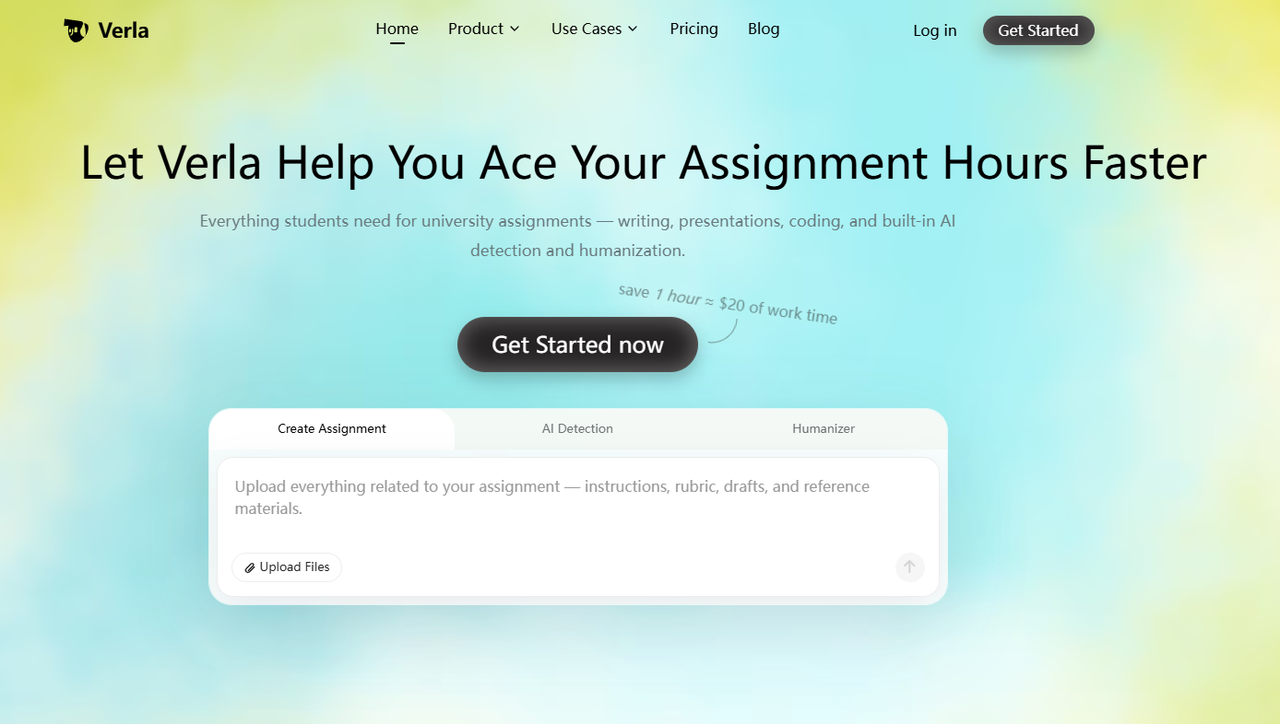
Verla is the paid option here. Add the prompt, rubric, notes, readings, or other files, then build a structured response and review its sources. This is particularly useful for assignments that involve several stages, from organizing evidence to developing an argument. For example, writing an argumentative essay requires a focused thesis, relevant evidence, and attention to counterarguments, all of which need more than a generic first draft.
Verla's official pages also list AI Detection and Humanizer as later review steps within the assignment workflow. These tools serve different purposes: AI detection and humanization can help identify passages for review and improve their wording, but neither guarantees how an instructor will assess the finished essay.
Pros:
Accepts assignment prompts, rubrics, and course files as part of the workflow.
Combines assignment drafting, academic source support, and review tools.
Lists concrete quotas for its trial and monthly plans.
Cons:
The seven-day Pro trial costs $2.99; it is not a free trial.
Detection or humanization results are not independently benchmarked here.
Price:
Pro trial: $2.99 for 7 days; includes 1 assignment, 3,000 detection words, and 1,000 Humanizer words.
Monthly plans: Basic $19.99, Plus $39.99, and Pro $79.99.
NoteGPT: Best for No-Sign-Up Drafting from Notes
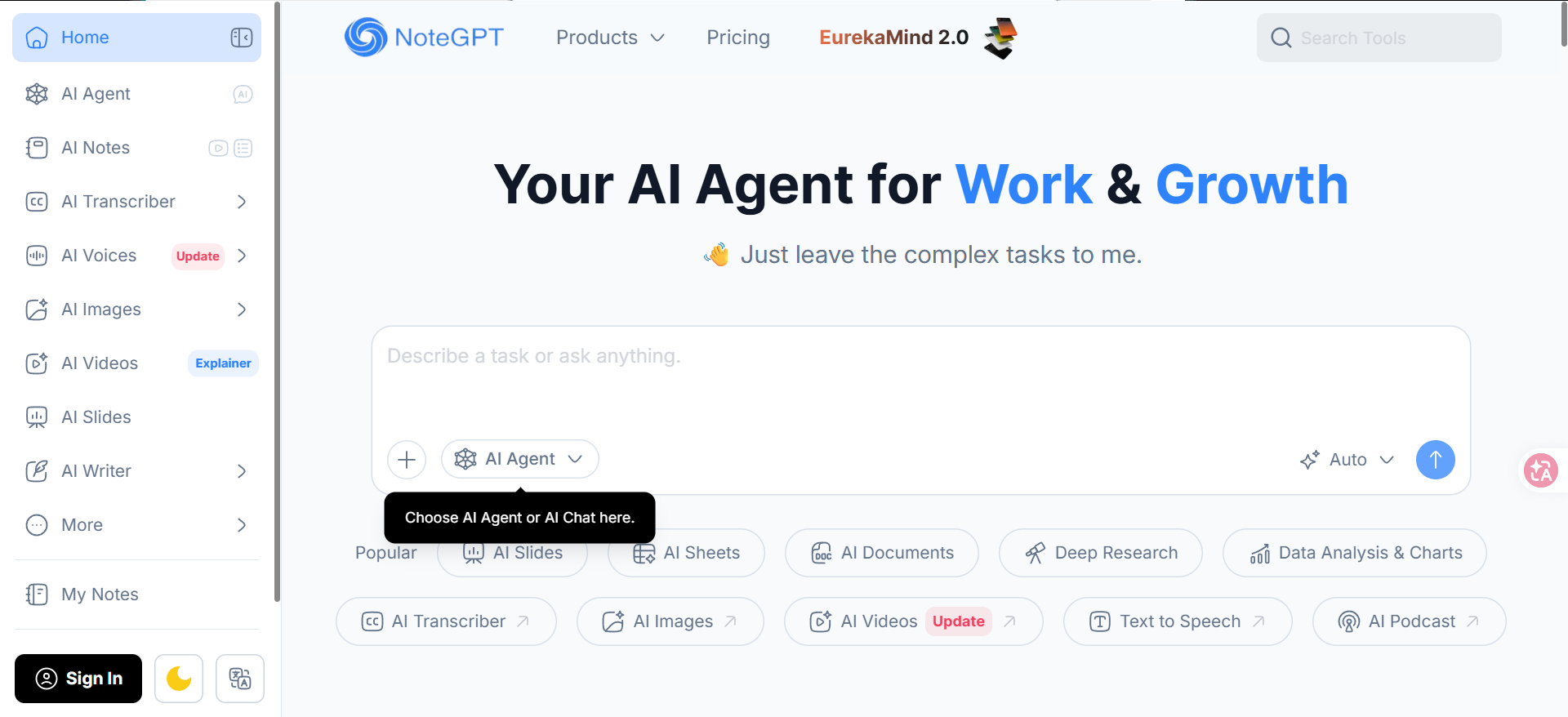
NoteGPT accepts a topic, question, file, draft, or notes. Controls include essay type, academic level, length, tone, APA, and references, giving students more control over a first draft than a single prompt. However, these settings cannot determine whether your central argument is strong. A clear thesis statement still needs to express a specific point that the rest of the essay can support.
The tool is advertised as free with no account required. A 0/12,000 counter appears, but its reset period is unclear. APA and reference controls do not guarantee accuracy, so match each citation to a real source.
Pros:
No-sign-up access is stated on the page.
Topic and uploaded material are both supported as starting inputs.
Essay type, length, level, APA, and reference controls are visible.
Cons:
The 12,000 counter's time period is unclear.
Citation accuracy and detection-related claims have no independent test here.
Price:
Free tool is advertised; the displayed counter is 0/12,000.
AnswerThis: Best for a Quick Basic Essay Draft
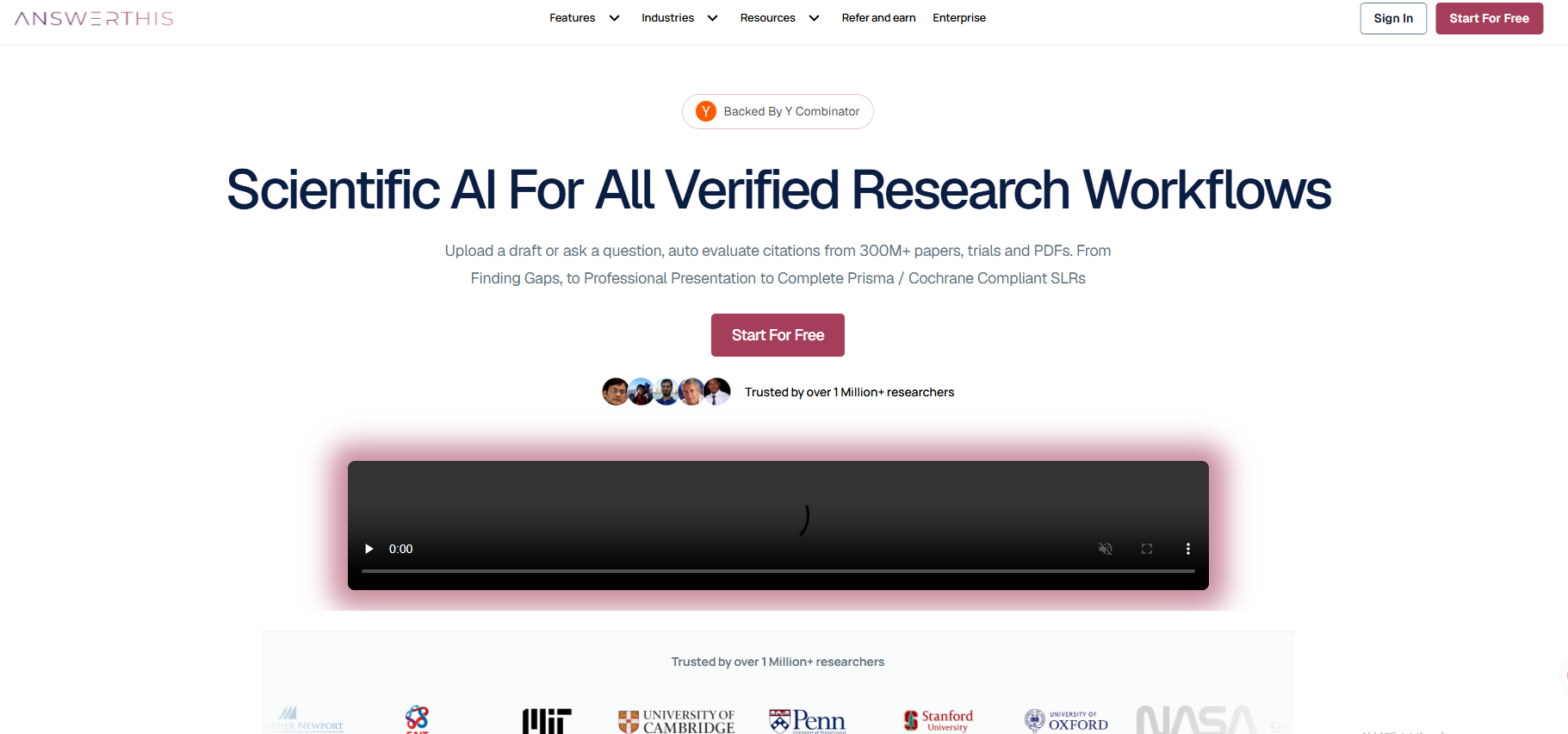
AnswerThis is a simple topic-to-draft option. Its free writer takes a topic or question and displays three attempts for the day, which suits a quick start when you plan to add evidence and citations yourself.
The free writer is separate from AnswerThis's broader research product. It has a 1,000-token limit and no citations; a separate citation generator formats sources you already have. That split matters for research assignments.
Pros:
Simple topic or question input.
Three daily attempts are displayed before use.
A separate citation generator is available for existing sources.
Cons:
The free writer is capped at 1,000 tokens.
It does not include citations or academic research in the free writer flow.
Price:
Free writer: no sign-up is required, with three attempts per day.
PerfectEssayWriter.ai: Best for a Broad Writing and Checking Suite
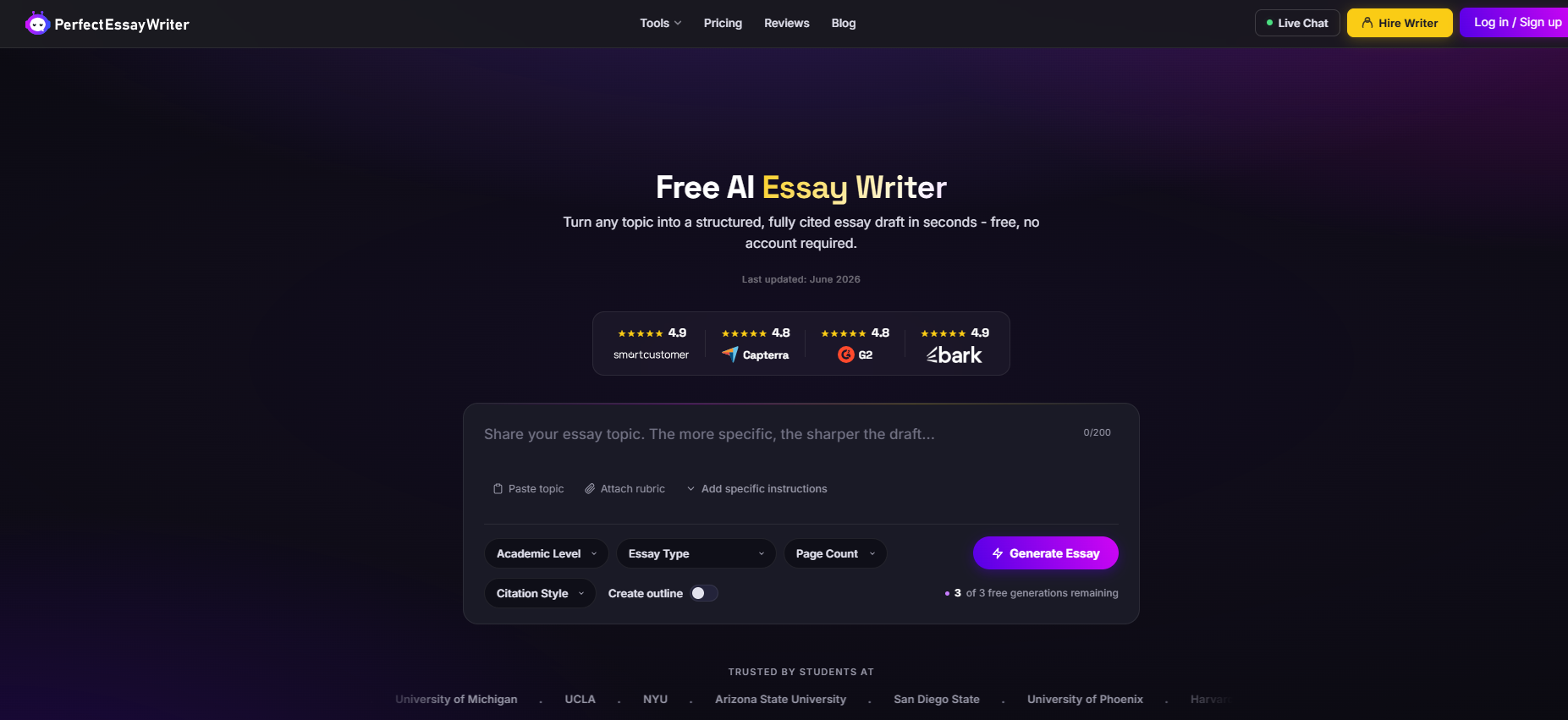
PerfectEssayWriter.ai groups tools for starting, writing, polishing, submitting, and referencing. Its form accepts a topic, rubric, and instructions; the suite adds outlining, grammar, paraphrasing, grading, detection, plagiarism, and citation tools. It suits students expecting to revise after drafting.
The free account has a published monthly allowance, while some checks and exports are limited or unavailable. Its quotas make it easier to estimate whether the plan covers a few assignments; paid tiers add higher limits and exports.
Pros:
Accepts a rubric and additional instructions in the essay form.
Groups drafting, polishing, checking, and citation tools in one suite.
Publishes specific free and paid quotas.
Cons:
The free plan limits grading and AI detection and excludes plagiarism checks and Word/PDF export.
The number of tools can be more than needed for a one-off short draft.
Price:
Free account: $0, with 5,000 generated words/month, five grader reports, and three AI detections.
Monthly plans: Standard $11.99, Pro $15.99, and Premium $21.99.
Annual billing displays $4.15, $6.99, and $9.99 per month equivalent, paid upfront.
Heuristica: Best for Turning Existing Sources into a Draft
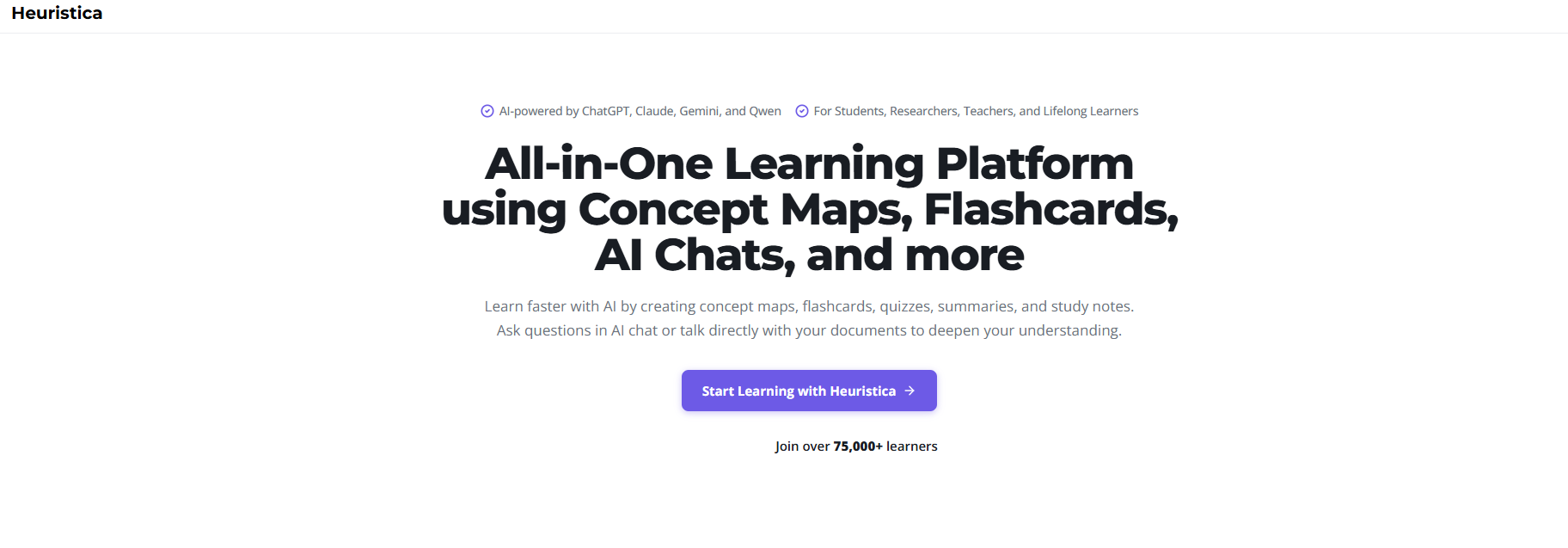
Heuristica starts with pasted text, a webpage, or a YouTube URL. Choose an essay type and language; formats include research, narrative, argumentative, and analytical essays. It can help organize class material when the main task is turning a source into a structure. For more demanding assignments, building a research paper also involves narrowing the question, evaluating evidence, and connecting sources to individual claims.
The generator is presented as free, with no stated request quota or length cap. Language-count figures conflict, so do not rely on a specific total. Compare the draft with its original sources and add required citations.
Pros:
Accepts text and URLs, including webpages and YouTube videos.
Offers several essay formats and a language choice.
Fits a source-to-draft task rather than only a blank-topic prompt.
Cons:
No usage quota or essay-length limit is stated.
The page gives inconsistent totals for supported languages.
Price:
Free.
Litero AI: Best for Research, Outlining, and Drafting
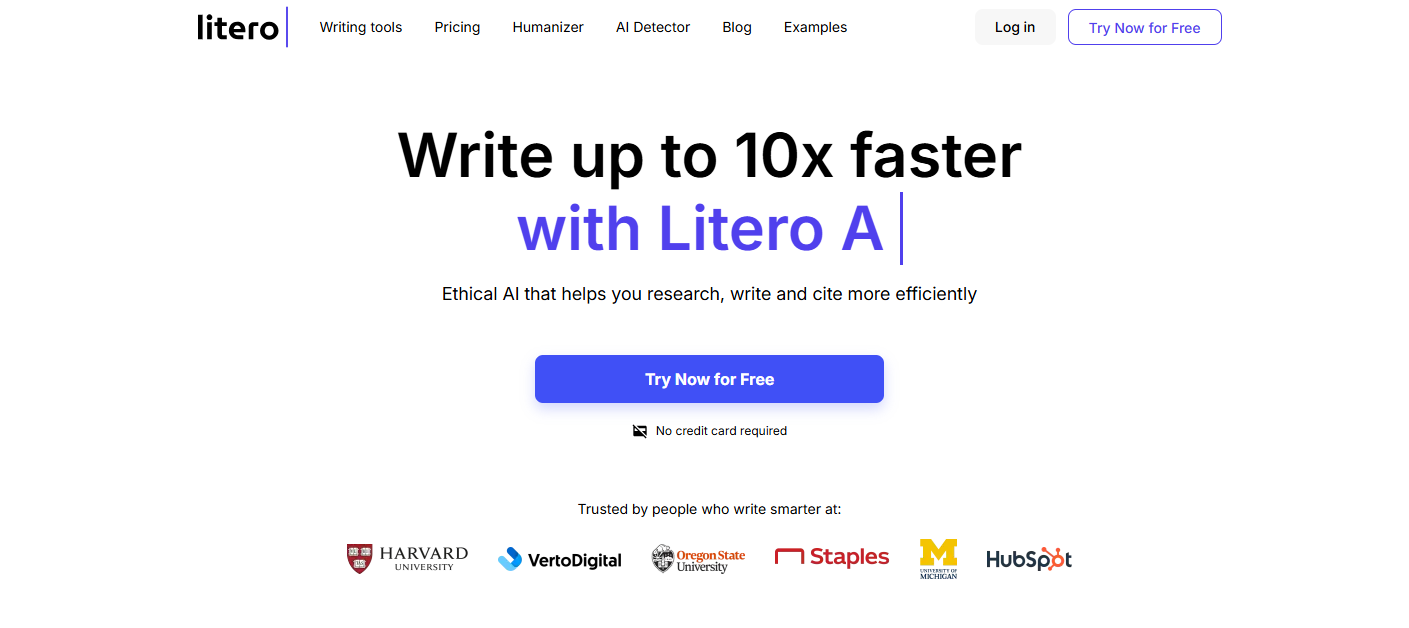
Litero AI is for students who want more than a paragraph generator. Its described path combines research, outlining, drafting, and citation support, a fit for longer assignments that need planning and writing in one product. Students comparing AI research tools should pay particular attention to source discovery, citation accuracy, and whether the tool can connect research findings to the essay's main argument.
Its public pages do not give a clear free word allowance or plan amount. Before starting a large paper, confirm which research and citation steps your account includes, then open each cited source and verify it supports the draft.
Pros:
Describes a research-to-outline-to-draft workflow.
Citation support is part of the academic writing process.
More relevant to a longer paper than a one-prompt generator.
Cons:
The checked pages leave the free quota unclear.
Confirm source relevance and citation details yourself.
Price:
A free start is advertised.
Which Tool Fits Your Writing Workflow?
You have a topic and need a fast outline or opening draft: Start with a free topic-based writer, then develop the argument yourself. Reviewing a few thesis statement examples can help you turn a broad topic into a more focused claim.
You have notes or readings: NoteGPT accepts files and notes; Heuristica accepts text and URLs; Litero describes a research-led process.
You need a clear free allowance: PerfectEssayWriter.ai publishes a 5,000-word monthly generation quota. AnswerThis shows a smaller daily-attempt and token boundary.
Your rubric and course materials drive the assignment: For coursework built around specific instructions and source materials, Verla's academic writing and research workflow brings the assignment context into the drafting process, with a paid trial and published plan limits.
What to Check Before Using a Free AI Essay Writer
Check sign-up, word or token caps, reset schedule, file support, citations, exports, and how uploads are handled. A draft without sources may take longer on a research assignment than a tool with a smaller but better-fitting allowance.
Compare the output with your prompt. Verify quotations, statistics, and references in original sources; remove unsupported claims; and revise the reasoning to reflect your understanding. If the draft sounds repetitive or overly generic, revising AI-generated content should focus on clearer arguments and more natural wording rather than simply changing sentences to influence a detector score.
A high AI detection result does not automatically mean an essay was entirely AI-written. Even a college essay flagged as AI may require a closer review of its writing history, sources, and the instructor's academic integrity policy.
Conclusion
The best free AI essay writer depends on your inputs and the work left afterward. NoteGPT offers no-sign-up drafting controls; AnswerThis sets a daily and token cap; PerfectEssayWriter.ai publishes a monthly allowance; Heuristica works from existing text and URLs; Litero focuses on research. Check sources, citations, and course rules with every tool.
If your assignment depends on a rubric, readings, and review, Verla's broader academic workflow may fit, but its seven-day trial costs $2.99. Compare its quotas with the free limits before choosing, and keep the final argument and source checks in your hands.