
AI can now support almost every stage of research, from information retrieval and paper discovery to literature reviews, source verification, complex analysis, and academic writing. But academic, PhD, market, science, and medical research have different requirements. The best AI for Research depends on the task, so we selected 10 tools to help researchers find the right fit.
What AI Is the Best for Research?
There is no single AI that is best for every research task. Some tools specialize in academic evidence, paper discovery, literature review, deep research, document analysis, citation verification, or academic writing. The best AI model for research therefore depends on your specific research goal.
How We Evaluated the Best AI Tools for Research
We evaluated the best AI tools for research based on the factors that matter most in a real research workflow:
Accuracy & Reliability: Ability to reduce hallucinations and provide dependable results.
Source Quality & Verification: Quality of sources, citations, and references.
Research Depth & Analysis: Ability to handle complex questions and large amounts of information.
Research Efficiency: How much time the tool saves on searching, reading, and organizing.
Workflow & Ease of Use: How easily it fits into an existing research process.
Task-Specific Capabilities: Strength in literature review, deep research, citation verification, or academic writing.
File, Data & Privacy Support: Support for research files, data, and sensitive materials.
Comparison Table Best AI Tools for Research at a Glance
This comparison focuses on task matching, helping you identify the right tool before reading the detailed reviews. If you are looking for the best free AI for research, several options below offer free plans or limited free access.
Tool | Best For | Citations | Literature Review | Deep Research | Research Analysis | Academic Writing |
Academic research workflow | Excellent | Good | Good | Excellent | Excellent | |
Consensus | Evidence-based academic research | Excellent | Good | Good | Good | Limited |
Elicit | Literature reviews & evidence extraction | Excellent | Excellent | Good | Excellent | Limited |
ResearchRabbit | Citation mapping | Good | Excellent | Limited | Good | Limited |
Scite | Citation verification | Excellent | Excellent | Good | Good | Limited |
Perplexity | Web & deep research | Excellent | Good | Excellent | Excellent | Good |
NotebookLM | Document analysis | Source-based | Good | Good | Excellent | Good |
Claude | Complex research analysis | Depends on workflow | Good | Good | Excellent | Excellent |
ChatGPT | General research assistance | Depends on workflow | Good | Good | Excellent | Excellent |
Paperpal | Research paper writing | Good | Limited | Limited | Good | Excellent |
Best AI for Academic Research
Academic research requires more than general AI answers. Researchers often need reliable sources, relevant papers, accurate citations, source verification, and research analysis. These needs also vary across legal, science, medical, and market research.
1.Verla.io: Best AI for Academic Research with Real Citations
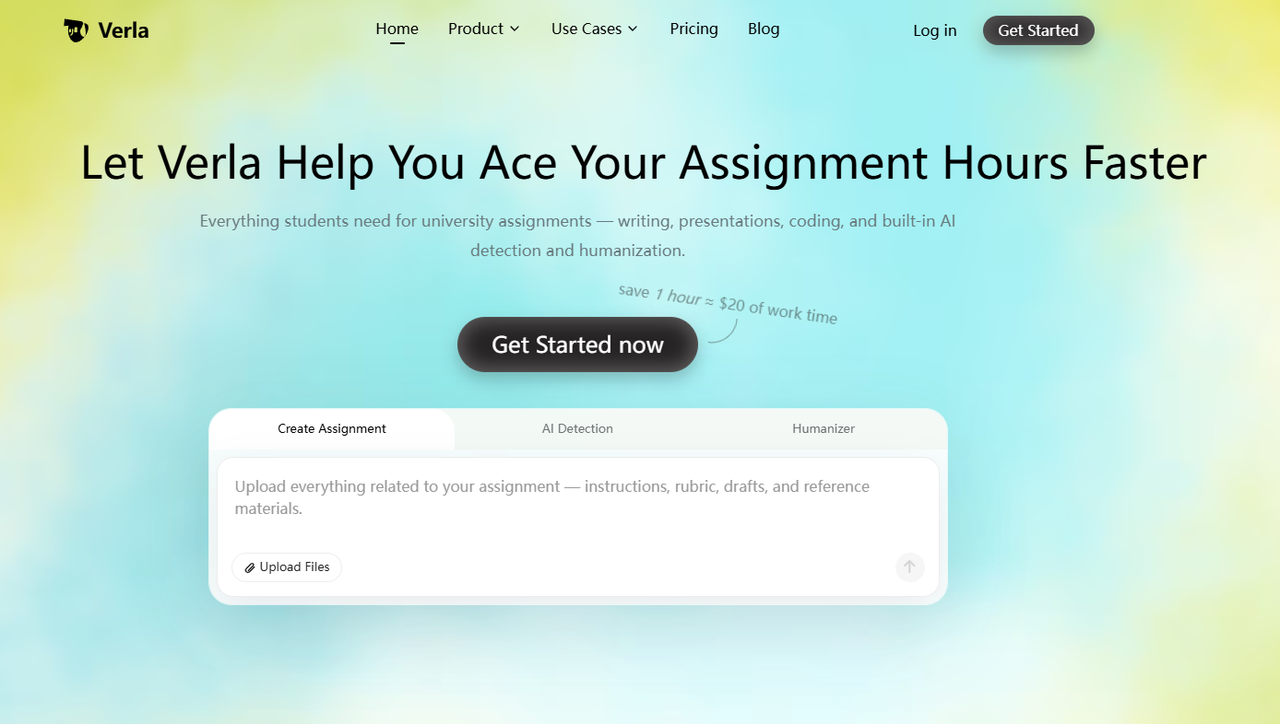
Research becomes inefficient when users have to switch between search, PDF analysis, writing, citation, and fact-checking tools. Generic AI can also generate references that require extra verification. Verla.io brings these steps into one academic research workflow for students, PhD researchers, and users working with large amounts of research material.
Verla supports real, relevant, and current references, research file analysis, online editing, and asynchronous generation. Users can upload materials and wait for the result instead of relying on lengthy chatbot conversations, reducing tool switching and manual organization throughout the research and writing process.
Pros:
Real, relevant, and current references
Combines research material analysis, writing, and editing
Supports PDF, DOCX, PPTX, XLS/XLSX, images, TXT, HTML, and other research files
Asynchronous generation reduces lengthy chatbot conversations
Supports 20+ languages and multiple output types
Cons:
Less established than ChatGPT or Claude
Higher generation and AI detection quotas require a paid plan
Pricing:
Pro Trial: $2.99 / 7 days
Basic: $7.99/month, billed annually
Plus: $15.99/month, billed annually
Pro: $31.99/month, billed annually
2.Consensus: Best for Evidence-Based Academic Research
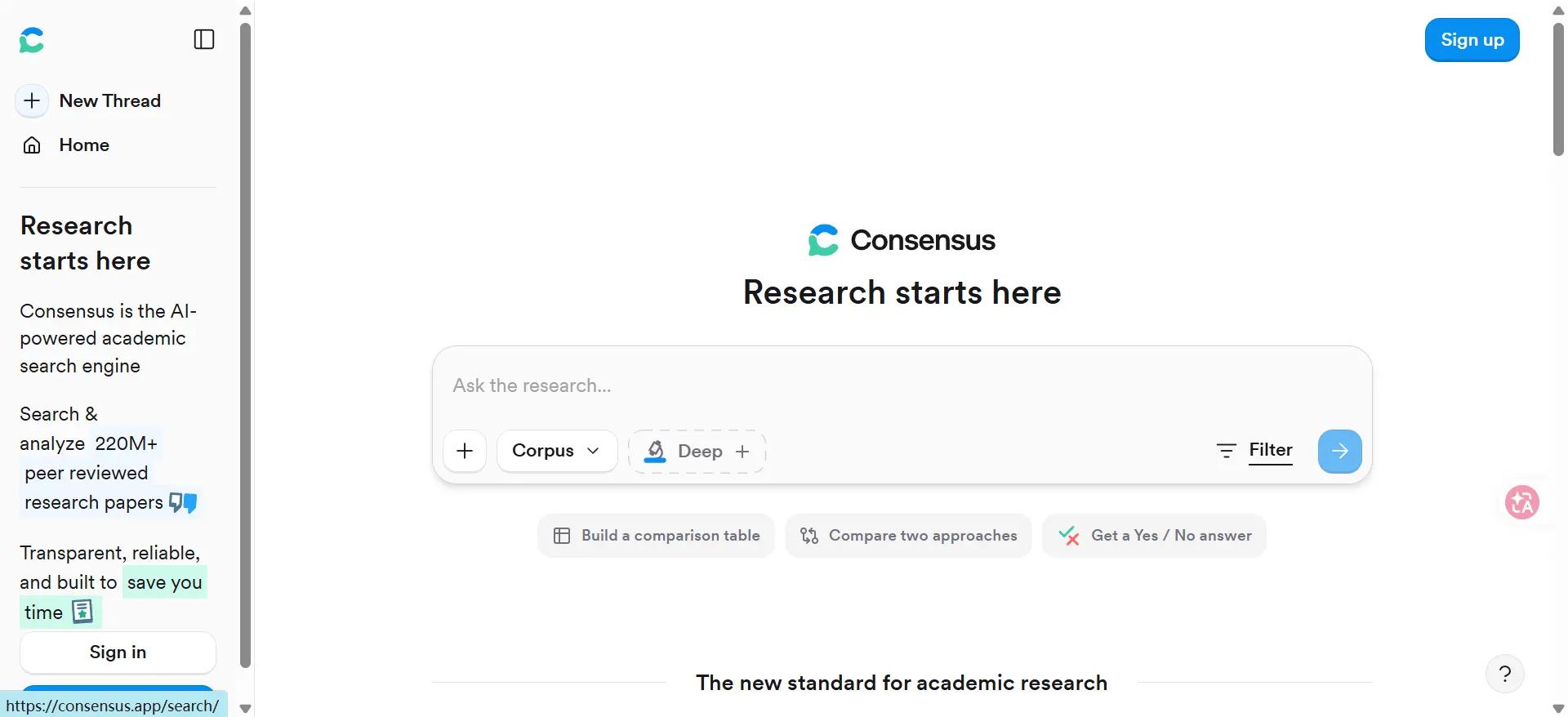
Some researchers need to know what academic evidence actually says rather than simply generating an answer. Consensus is designed for students, academics, and researchers who want to quickly find relevant studies and evidence-backed findings from academic literature.
Its workflow centers on research questions, relevant papers, and evidence-based findings. This makes Consensus useful for academic evidence discovery, while its narrower focus means users may still need another AI for complex writing, brainstorming, or broader content creation.
Pros:
Focused on academic research and evidence
Quickly discovers relevant research papers
Well suited to evidence-based questions
Findings can be traced back to academic papers
Cons:
More focused on research than general-purpose writing
Complex analysis may require another AI
Pricing:
Free: $0, with limited advanced usage
Pro: $20/month or $144/year
Deep: $65/month or $540/year
Teams: Custom pricing
Best AI Tools for Finding and Reviewing Research
Literature review is not just about finding papers. Researchers also need to screen studies, extract key information, and understand connections between research. These AI tools for literature review focus on different parts of that workflow.
3.Elicit: Best AI Tool for Literature Reviews and Evidence Extraction
Literature reviews often require researchers to read, screen, compare, and extract information from large numbers of papers. Elicit helps organize this process, making it useful for researchers working systematically with academic literature.
Its main strengths are paper discovery, literature review, evidence extraction, and study comparison. Unlike Consensus, which focuses more on evidence-backed answers, Elicit turns larger collections of papers into structured research information, making it one of the best AI for finding research paper options.
Pros:
Strong literature discovery
Useful for screening and organizing papers
Practical evidence extraction and study comparison
Reduces literature review time
Cons:
Less suitable for complex research writing
Extracted information should still be checked against original papers
Pricing:
Basic: Free
Plus: $11/month, billed annually
Pro: $39/month, billed annually
Scale: $89/month, billed annually
Enterprise: Custom pricing
4.ResearchRabbit: Best for Citation Mapping and Literature Discovery
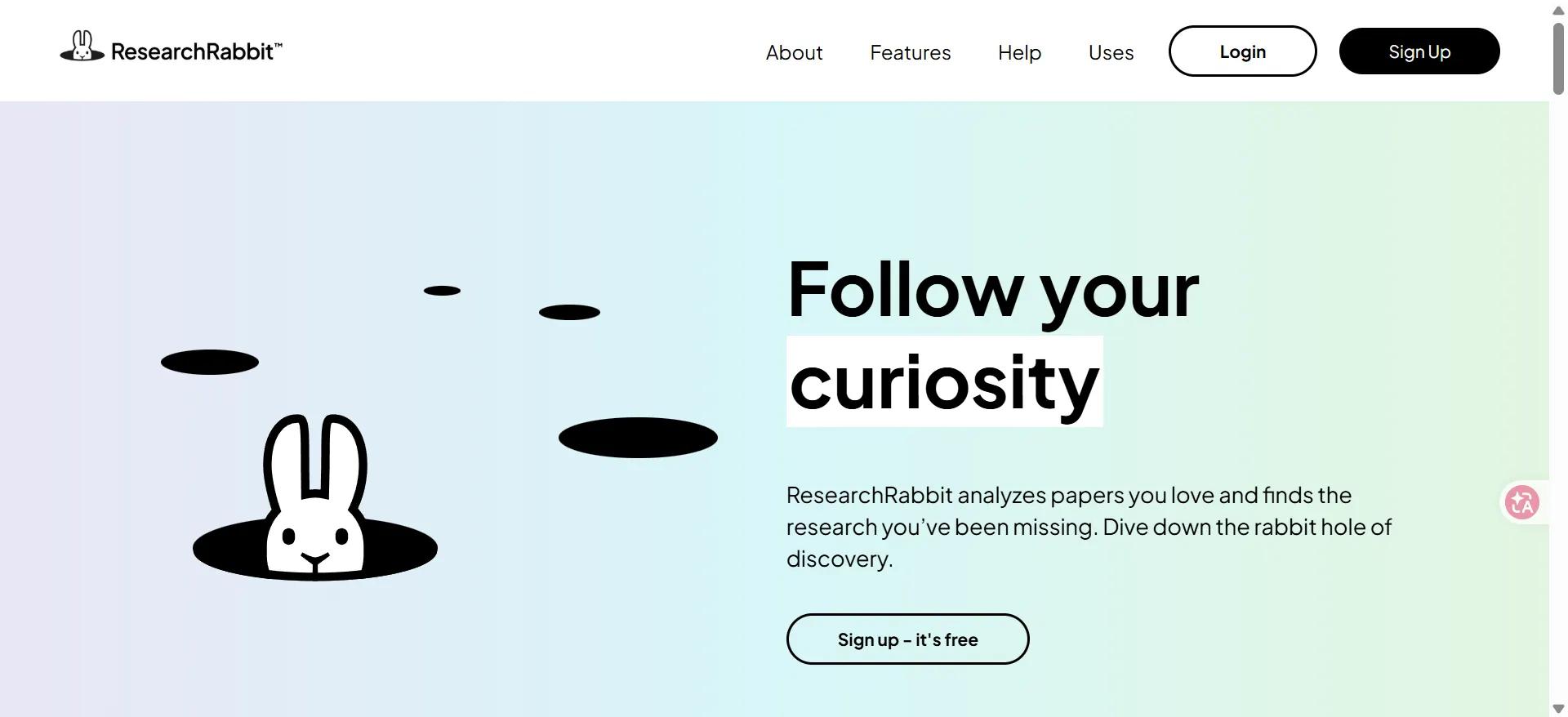
Finding one useful paper is only the beginning. Researchers also need to discover related papers, authors, and research directions. ResearchRabbit helps users who already have core papers expand their understanding of the wider literature landscape.
Its visual citation mapping makes it easier to explore related papers and authors and uncover research connections. Rather than replacing Elicit, it works well as a complementary tool for expanding literature reviews and discovering relationships across a field.
Pros:
Visual citation and literature mapping
Easy discovery of related papers and authors
Useful for expanding literature reviews
Intuitive research discovery workflow
Cons:
Not a complete academic writing solution
Less focused on deep paper analysis
Pricing:
Free: $0, with unlimited searches and collections
ResearchRabbit+: $10/month annually or $12.50/month monthly
Institutional plans: Custom pricing
5.Scite: Best for Citation Verification and Research Context
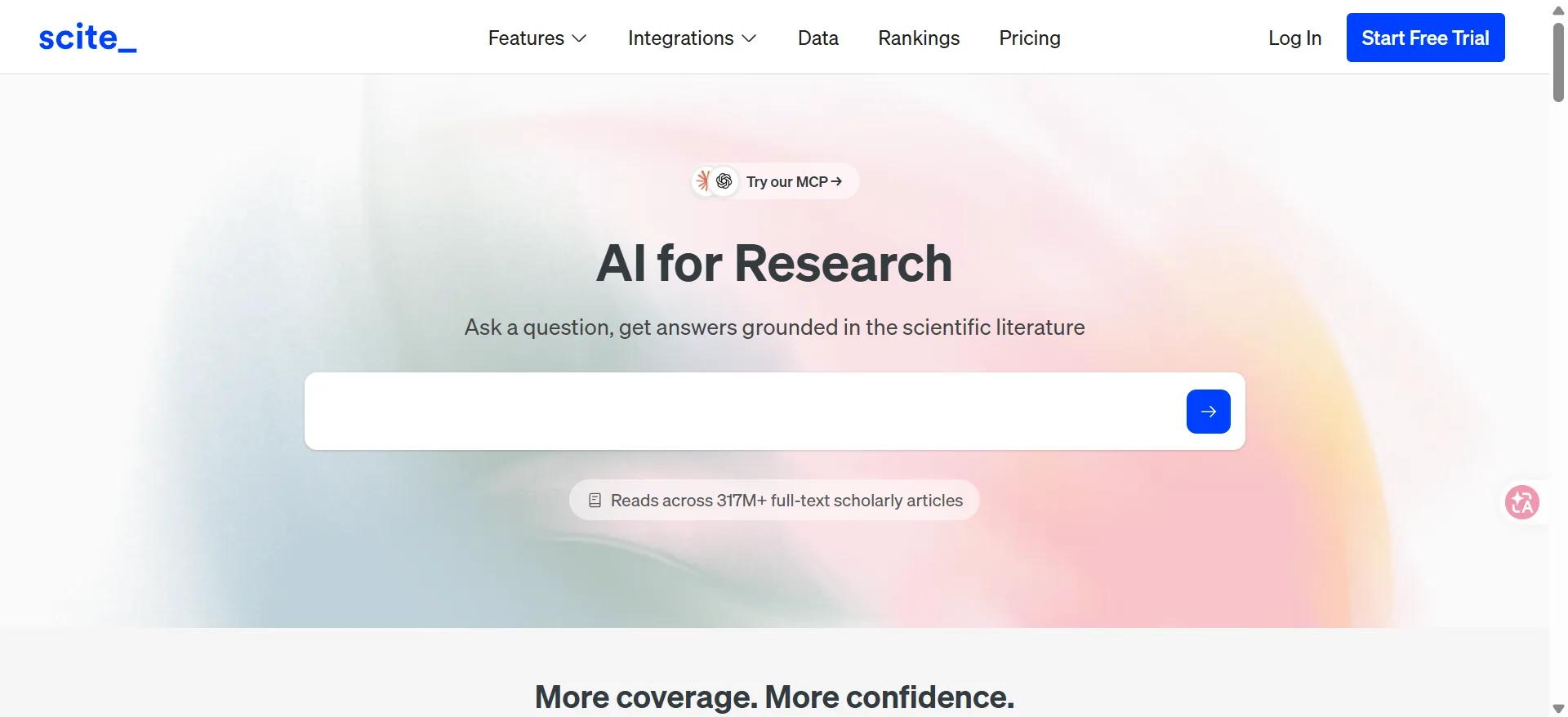
Finding a citation does not mean that it actually supports your argument. Researchers often need to ask, "Does this paper really support my claim?" Scite helps answer this by showing how papers are cited and providing context around those citations.
Its Smart Citation approach identifies whether later research supports, contrasts with, or discusses a study. This makes Scite useful for citation verification and research reliability, although researchers still need to interpret the evidence themselves.
Pros:
Strong citation context
Helps verify research claims
Identifies supporting and contrasting evidence
Improves citation reliability
Cons:
Not a complete writing assistant
Citation interpretation still requires researcher judgment
Pricing:
Free: $0, with limited access
Basic: $20/month when billed annually
Pro: $50/month when billed annually
Team and Enterprise: Custom pricing
Best AI for Deep Research and Research Analysis
After finding information, researchers need to understand, compare, and analyze it. These tools are useful for best AI for deep research, market research, scientific research, and other complex research scenarios.
6.Perplexity: Best for Deep Research and Web Research
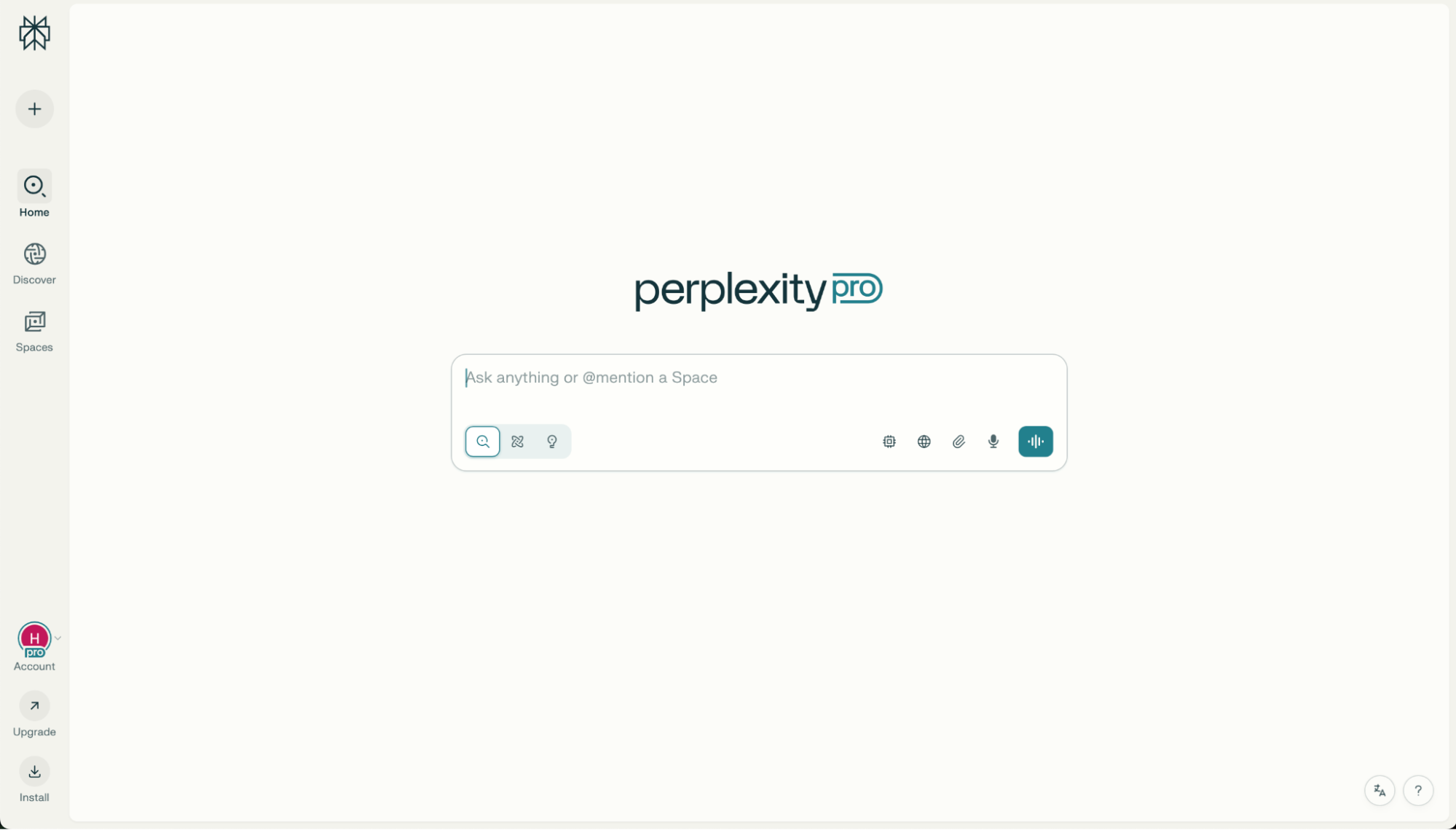
Traditional web research can require opening and comparing dozens of pages. Perplexity helps researchers search the web more efficiently while keeping sources visible alongside answers.
Its strengths include web research, current information, citations, and multi-step deep research. It is useful for market trends, industry research, and recent developments, although users should still evaluate source quality.
Pros:
Fast web research
Answers include sources and citations
Useful for current information
Deep research handles complex questions
Cons:
Source quality still needs evaluation
Not always ideal for specialized academic literature reviews
Pricing:
Standard: Free
Pro: $20/month
Max: Higher-tier paid plan
Enterprise: Available
7.NotebookLM: Best for Source-Based Research and Document Analysis
Sometimes researchers already have the information they need in PDFs, reports, or other documents. NotebookLM lets users ask questions, summarize materials, and explore information based on their own sources.
This makes it different from Perplexity: Perplexity helps find external information, while NotebookLM focuses on understanding existing materials. It is particularly useful for students and researchers working with long documents and research files.
Pros:
Strong source-grounded workflow
Useful for user-provided documents
Helps summarize complex materials
Suitable for long research documents
Cons:
Depends more on the quality of provided sources
Not a complete citation management or writing platform
Pricing:
NotebookLM: Free access
Google AI Pro: $19.99/month in the U.S.
8.Claude: Best for Complex Research Analysis
Research becomes difficult when there is too much complex information to process. Claude can analyze long documents, compare arguments, organize research ideas, brainstorm, and break complicated material into clearer structures, making it useful for PhD researchers.
Claude is best viewed as a general-purpose analysis assistant rather than an academic database. Its reasoning, summarization, long-context analysis, and research planning support multi-step work, while important academic claims still require verification.
Pros:
Strong complex reasoning and analysis
Useful for long documents
Flexible brainstorming and research planning
Suitable for complex, multi-step tasks
Cons:
Academic source discovery is weaker than specialized tools
Important citations require verification
Pricing:
Free: $0
Pro: $20/month
Max: $100/month or $200/month
Team and Enterprise: Available
9.ChatGPT: Best General-Purpose AI Research Assistant
ChatGPT's main advantage is broad coverage. It can help researchers brainstorm questions, structure projects, explain concepts, summarize information, develop research plans, analyze materials, and support writing, making it a flexible AI research assistant.
However, broad capability does not make it ideal for every specialized task. Academic source verification, citation mapping, and literature review may be better handled by dedicated tools, so researchers can combine ChatGPT with task-specific platforms.
Pros:
Versatile general-purpose research assistant
Flexible brainstorming and research planning
Broad information analysis
Supports multiple research and writing stages
Cons:
Important research claims need source verification
Specialized literature and citation workflows may require dedicated tools
Pricing:
Free: $0
Plus: $20/month
Pro: $200/month
Business: $25/user/month annually
Best AI Writing Software for Research Papers
Research does not end when information is collected. Findings still need to become clear, well-structured academic writing.
10.Paperpal: Best AI Writing Software for Research Papers
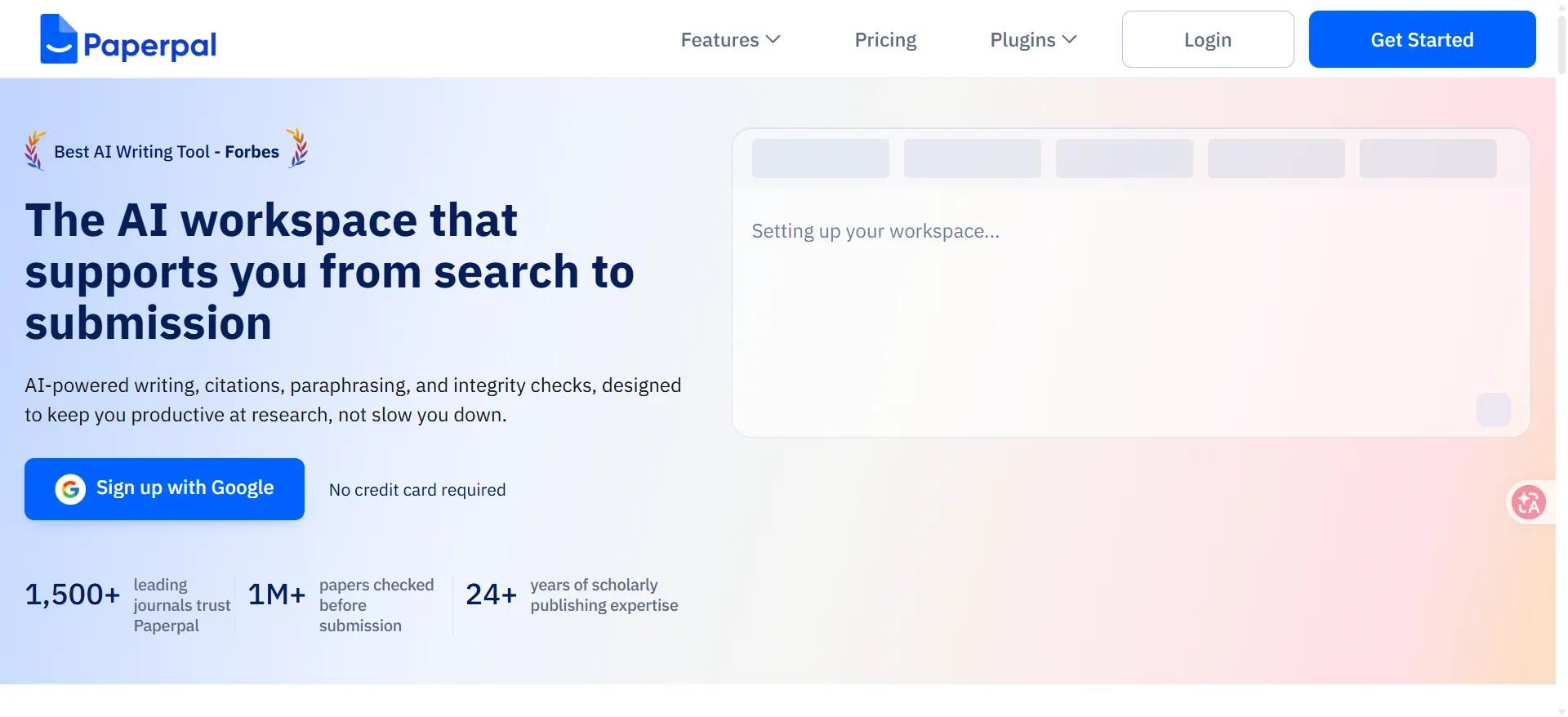
After completing research, many researchers need to improve clarity, correct language issues, refine academic tone, and communicate findings effectively. Paperpal is designed specifically for academic writing and research paper polishing.
Its value is in improving completed research rather than replacing the researcher. Grammar checking, rewriting, academic style refinement, and language polishing help turn research findings into clearer academic prose.
Pros:
Designed specifically for academic writing
Research paper language polishing
Academic tone and clarity
Rewriting and editing support
Cons:
Limited paper discovery capabilities
Better suited to writing than complete research workflows
Pricing:
Prime: $12/month annually or $25/month monthly
Pro: $29/month annually or $59/month monthly
Conclusion
The best AI for research depends on the task. Verla and Consensus are strong for academic research, Elicit for literature reviews, ResearchRabbit for citation mapping, and Scite for citation verification. Perplexity supports deep research, NotebookLM document analysis, Claude complex analysis, ChatGPT general research, and Paperpal academic writing.
For users who want more of these stages in one workflow, Verla combines research materials, references, writing, editing, AI detection, and AI humanization in a single academic platform.